/
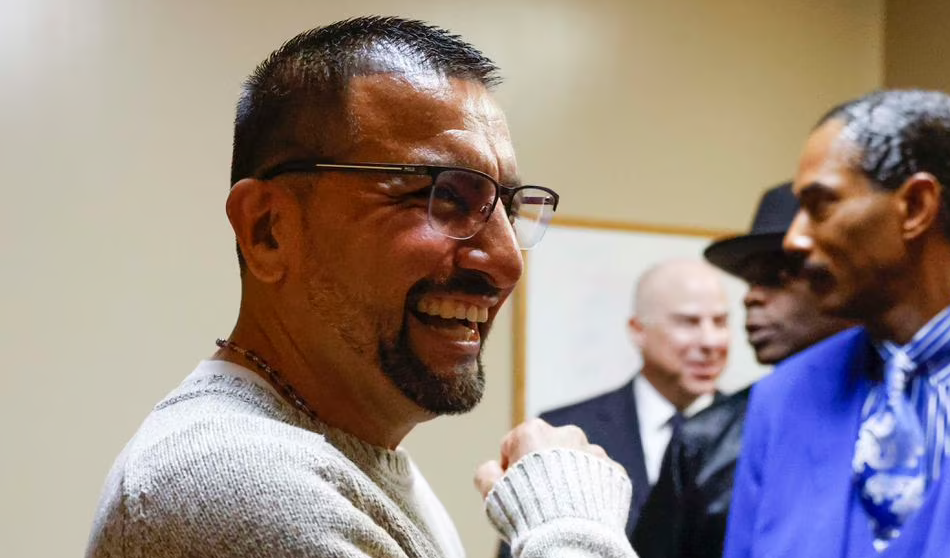
In 1997, 23-year-old Martin Santillan was arrested for a murder that he did not commit. The prosecution’s case was based on an identification by an eyewitness who admitted to drinking throughout the day and night of the shooting. Despite having five alibi witnesses, Santillan was convicted and sentenced to life in prison. After 25 years of wrongful incarceration, Santillan was finally exonerated in 2023 by DNA evidence identifying the real killer. Learn more here.


EXONEREE 
MARTIN SANTILLAN
LAMONT CAMPBELL
EXONEREE #3380
MADELINE MENDOZA
EXONEREE #3357
EXONEREE #3379
GEORGE TOCA
Lamont Campbell was convicted of murder in 2016, despite an absence of physical or forensic evidence connecting him to the crime. A judge later wrote that “there was no evidence-based suspicion to put [Campbell] in a lineup, it was just a stab in the dark.” Learn more here.
In 1993, 17-year-old Madeline Mendoza was sentenced to 35 years in prison after pleading guilty to murder. She was exonerated three decades later after evidence showed that the lead detectives had forced witnesses to falsely accuse her. Learn more here.
When George Toca was 17, his best friend was shot and killed during a robbery. At trial, the prosecution withheld initial witness descriptions saying the gunman was at least 5’10”—significantly taller than Toca, who was 5’5”. Toca spent the next 30 years in prison. Learn more here.
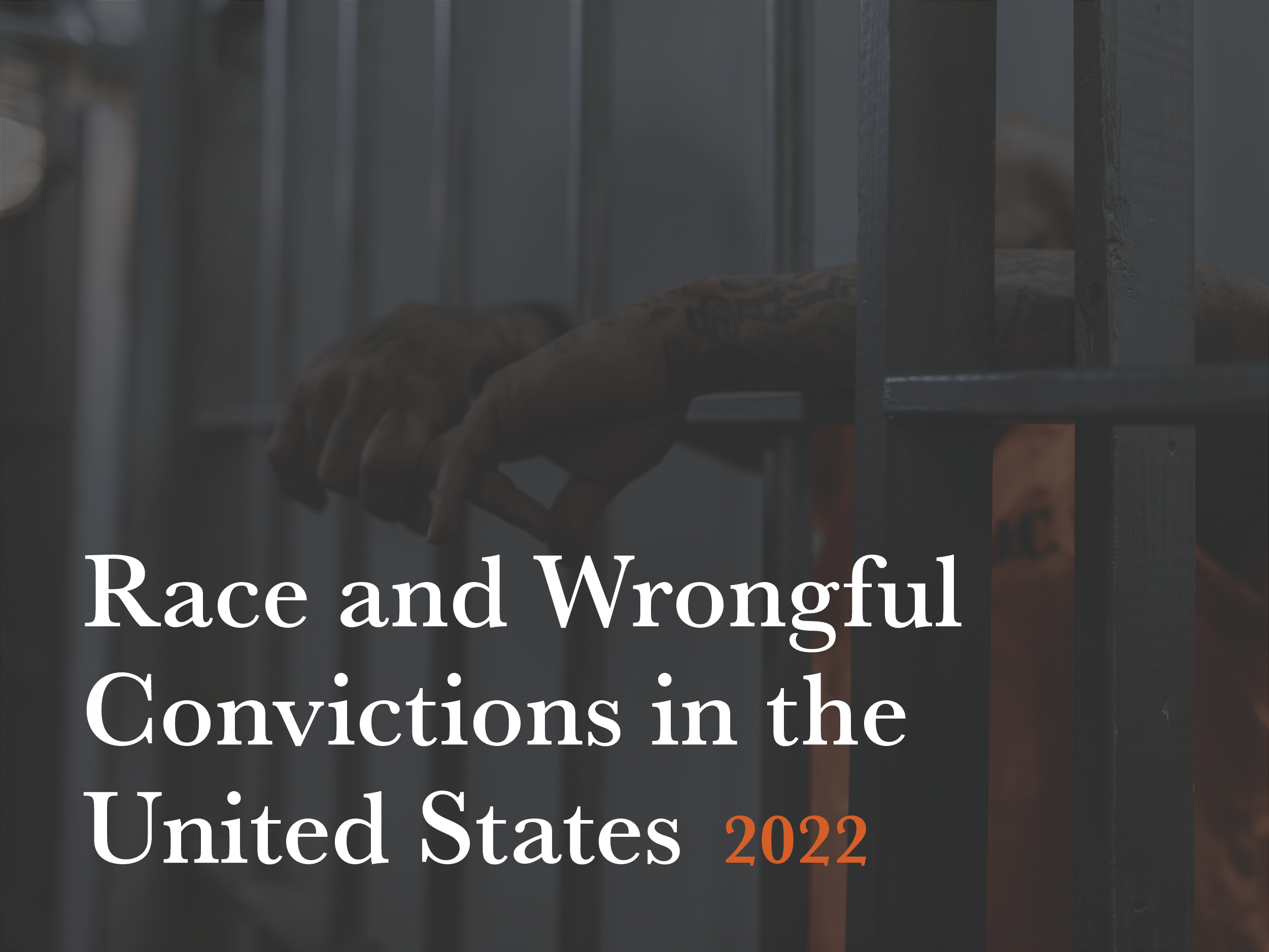
INNOCENT BLACK PEOPLE ARE SEVEN TIMES MORE LIKELY THAN WHITE PEOPLE TO BE FALSELY CONVICTED OF SERIOUS CRIMES, according to a new report from the Registry. Even though Black and white people use illegal drugs at similar rates, ​​69% of drug crime exonerees are Black and 16% are white. That means innocent Black people are about 19 times more likely than innocent white people to be wrongfully convicted of drug crimes. Innocent Black people are about 7.5 times more likely to be convicted of murder than innocent white people. Wrongful murder convictions with Black defendants are almost 50% more likely to include police misconduct than convictions with white defendants. Read the full report here.

STAY UP TO DATE
Join our email list to hear about the Registry's work and recent exonerations. Read our most recent newsletter here.
Our mission is to provide comprehensive information on exonerations of innocent criminal defendants in order to prevent future false convictions by learning from past errors. We collect, analyze, and disseminate information about all known exonerations in the United States, from 1989 to the present. We provide accessible, online statistical data about their cases and conduct empirical studies of the factors that lead to wrongful convictions.
About the Registry
THE NATIONAL REGISTRY OF EXONERATIONS

A project of the Newkirk Center for Science & Society at University of California Irvine, the University of Michigan Law School, and Michigan State University College of Law.